
Something Stirred
On Discovering Lillian Bassman

I was at the Metropolitan Museum of Art last month, viewing Lillian Bassman: Bazaar and Beyond. The show traced her career at Harper’s Bazaar from design apprentice to art director to photographer. That excitement I felt when I first saw her work decades ago resurfaced. I paced myself: read every caption and absorbed every detail of each print, magazine, and artifact. Before I knew it, the show was over. I left wanting more.
I couldn't find an official website or video interviews on YouTube or Vimeo. Like a dog with a bone, I persisted until I stumbled upon two transcripts: an hour-long oral history interview conducted by Steven Watson for the Archives of American Art, Smithsonian Institution, and a video interview and transcript from the PBS documentary Richard Avedon: Darkness and Light. Combining these with Martin Harrison's essay from her first monograph, Lillian Bassman, gave me a fuller picture of her life and work.
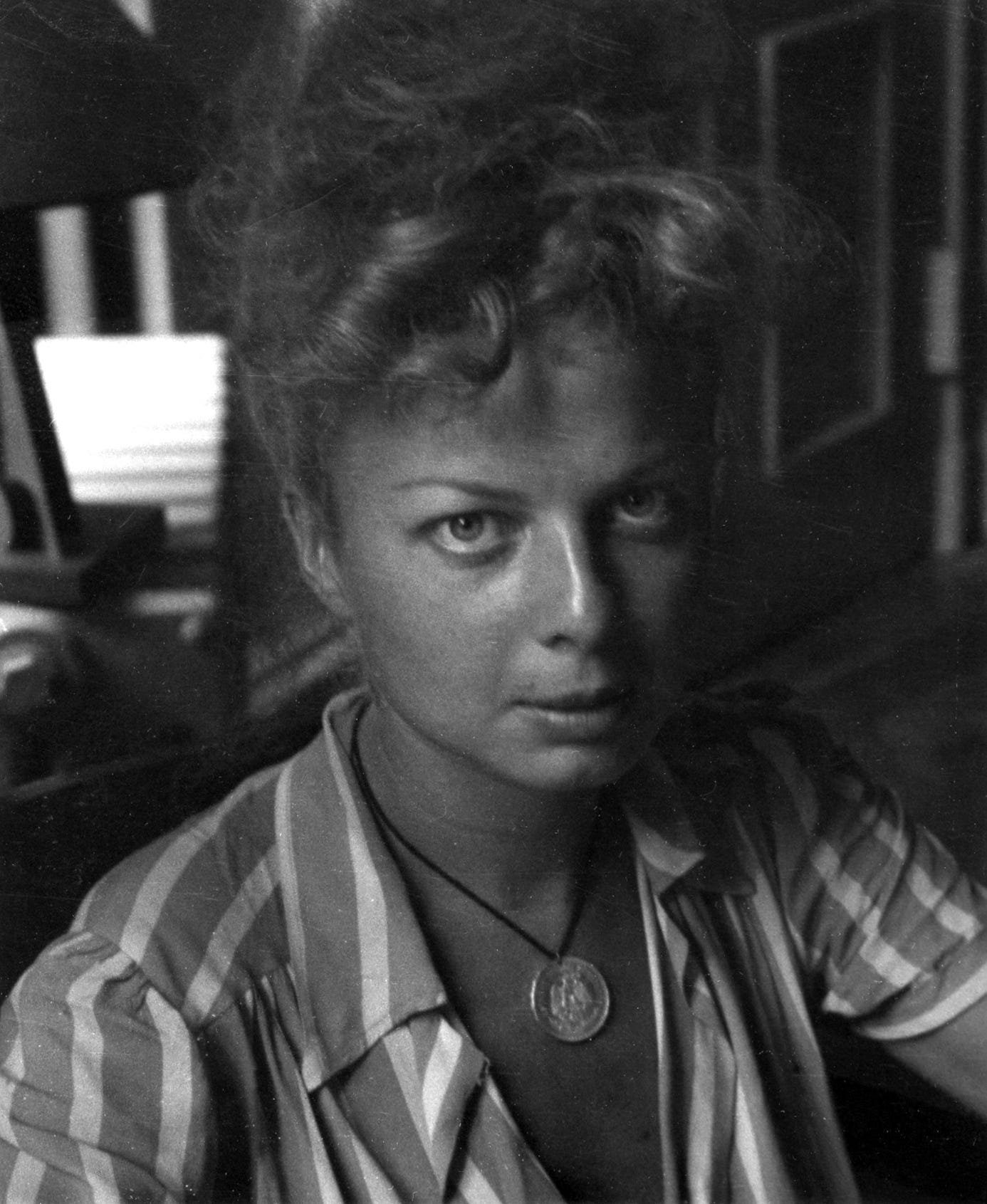
The Early Years
Long before she began her career at Harper's Bazaar, Ms. Bassman was at heart an artist and a dancer. She recalled those days when she and her husband, Paul Himmel, were broke, so they spent their weekends at the Metropolitan Museum. "It's where I got my whole visual education in fashion, in design, in paint and art," she told Mr. Watson.
In the world of dance, Isadora Duncan was a childhood idol. She was on her way to becoming a Martha Graham dancer, but a leg and ankle injury ended that dream. She came to realize that dancing was not in the cards, and she would have to find another way of expressing herself.
Ms. Bassman wanted to become a painter but did not have the money to pursue it. So she struck a deal with Moses Soyer. She'd model for him half the day; in return, she had access to his studio to paint. Afterward, she tried her hand at textile design, but later realized that neither endeavor was financially viable. "I needed to eat," she said. Fashion illustration and drawing came closest to painting and, at the same time, could pay the bills.
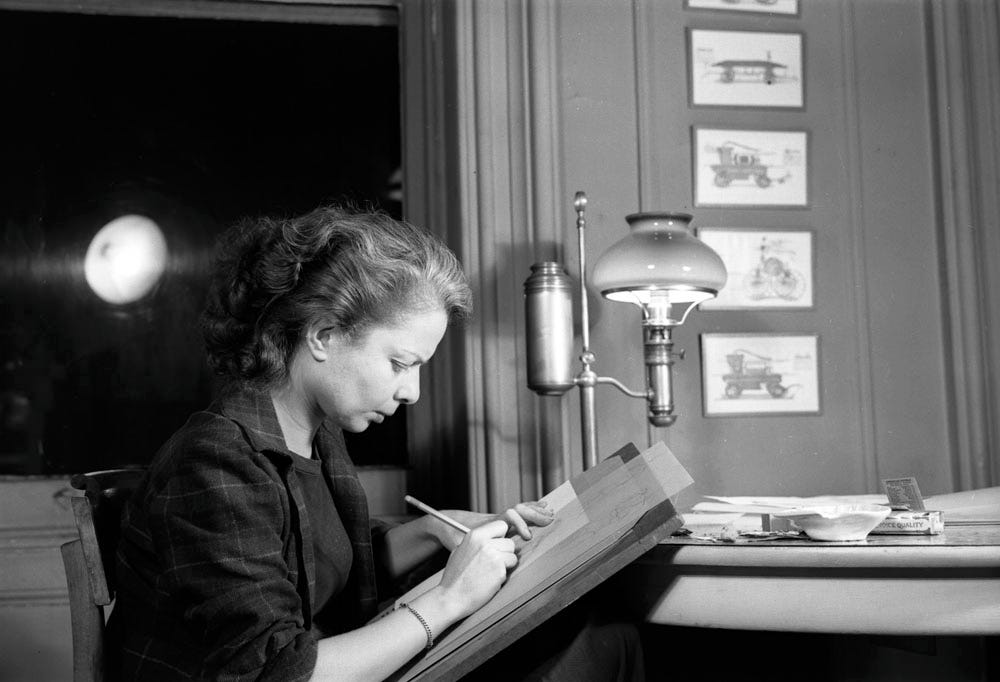
Brodovitch
Ms. Bassman took speed drawing and sketching classes at Pratt Institute. She was proud of her work, and when an opportunity came, she presented her sketches to Alexey Brodovitch. He offered her a place in his class at the New School. Ms. Bassman declined, saying she couldn't afford it. But he saw something exciting in her portfolio and offered her a scholarship on the spot.
"He had his class divided into two rooms," Ms. Bassman recalled. "I went into the fashion room, and I did maybe one or two drawings. And he poked me on the shoulder, and he said, 'In the other room, we do posters and layout. Would you like to go in there and see what it's like?'"
She agreed and never left.
At the end of the year, the prize for being the best student was an unpaid apprenticeship at Harper's Bazaar. "Great, great training," Ms. Bassman called it—but after two years and two months, the arrangement was financially unsustainable.
She left for a paid position at Elizabeth Arden. Mr. Brodovitch called her every day, asking her to return, but she held firm, repeatedly saying, "I need to eat. I am not one of those rich kids." He negotiated with the magazine to let her work part of the time doing promotions and the rest under him. Six months later, Ms. Bassman returned as his first salaried assistant.
Darkroom Experiments
Between the demands of the job, Ms. Bassman was quietly shaping her own visual language. She spent her lunch breaks and evenings in the darkroom. It had formerly belonged to George Hoyningen-Huene, who moved to California where he became a celebrated portraitist of Hollywood's golden age.
Finding it long abandoned, she made it her own—experimenting with ferricyanide bleach, cotton swabs, brushes, and unconventional diffusion materials such as tissues and gauzes, her painterly aesthetics guiding every choice. She had not yet learned to use a camera, so she practiced and developed her techniques using Mr. Hoyningen-Huene's old negatives.
Brodovitch and Junior Bazaar
Ms. Bassman had great respect and admiration for Mr. Brodovitch. He had an incredible eye, and his taste was infallible. She praised his restrained layouts—the white space allowed to breathe on the page, the typography, the photographic choices. "But if you were expecting direction, forget it. You only knew whether today it was acceptable or not acceptable. You never got to know why or how, but within his ability to push you—you got there," she recalled.
Mr. Brodovitch was known to take extended absences. On one occasion, he was out for several months after being run down by a Hearst truck. She practically carried the magazine during this time: art directing and laying out pages, taking them to his farm for suggestions, modifications, and approval, then returning to the office to produce the issue. She even made a major change to how the production department functioned.
Carmel Snow, the editor-in-chief, took notice. She knew that Ms. Bassman not only had a creative eye but also had the technical knowledge of magazine production.
When plans for a Junior Bazaar were taking shape, Mrs. Snow asked Ms. Bassman to design a dummy. When Mr. Brodovitch saw her sketching ideas at her desk, he asked what it was for. She told him about Mrs. Snow’s request. He stormed into her office, demanding to know why she had not given this assignment to him. For fear that he might quit, Mrs. Snow struck a compromise and listed him as co-art director at Junior Bazaar—even though Ms. Bassman made all the creative decisions.
In the three years that the publication ran (1945-1948), Ms. Bassman was given carte blanche to do what she wanted. "We gave our photographers full rein to interpret their ideas, recognizing what Junior Bazaar stood for and the freedom to stay away from literal photography into the more poetic side," she said. She leaned into the younger photographers who brought a fresh look and energy to its pages, launching the careers of Louis Faurer, Robert Frank, Richard Avedon, and her husband, Paul Himmel.
Behind the Camera
Contemplating her next move after Junior Bazaar folded, Ms. Bassman felt that transitioning to photography was a natural next step. She paid a visit to Mr. Brodovitch, and he suggested, "Why not become a photographer with me?"
Mr. Avedon—with whom she had closely collaborated at the magazine and become close friends—generously lent her his studio, equipment, and an assistant while he was in Paris on assignment for an extended period of time. The two couples had grown close over the years, owning a bare-bones shack at Cherry Grove, Fire Island, spending weekends together with their spouses.
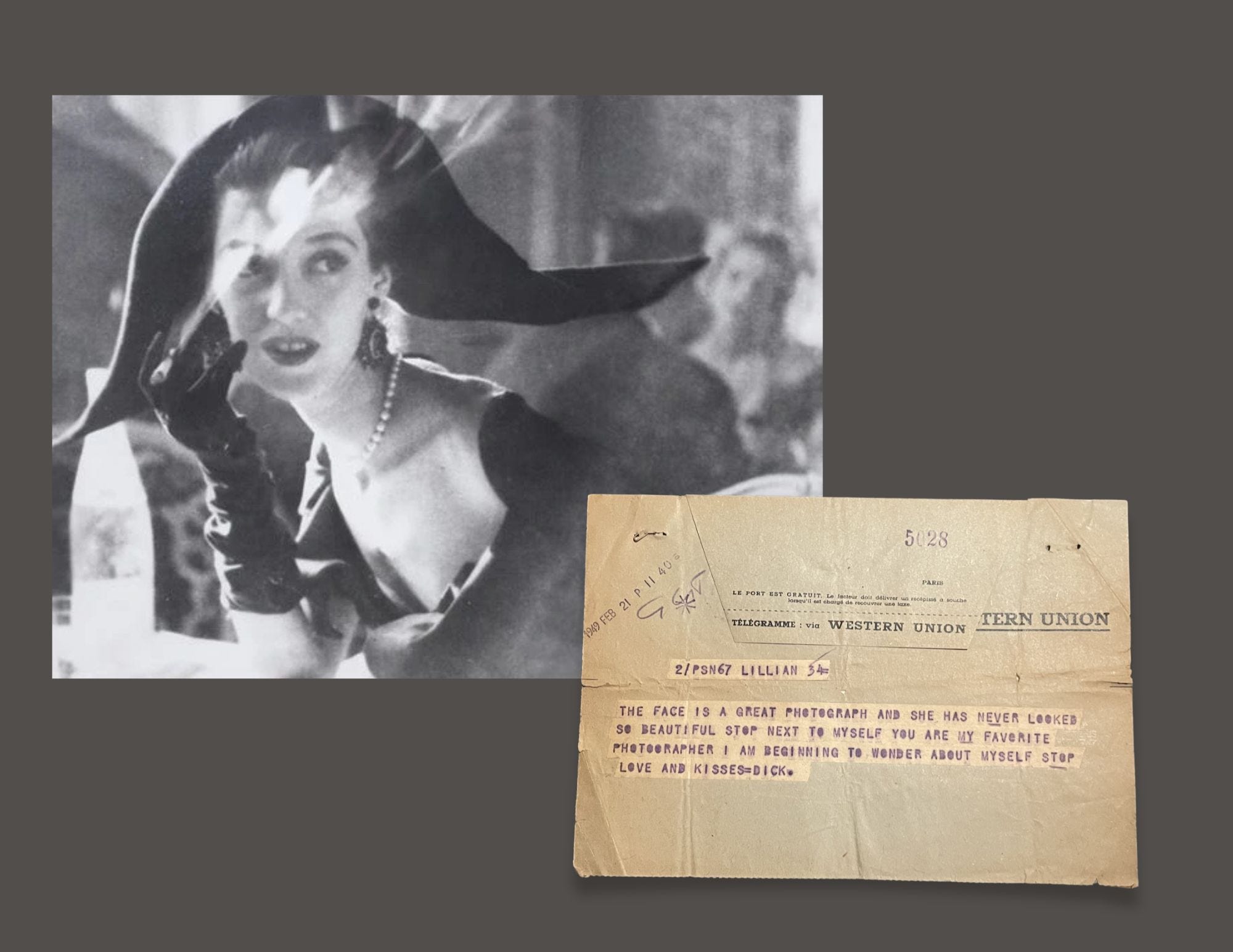
By the end of those two months, Ms. Bassman had secured her first major commercial campaign. At first, she directed every frame by telling the assistant where to point and compose the shot. When she received her first Paris assignment, she was technically proficient enough to operate the Rolleiflex camera herself.
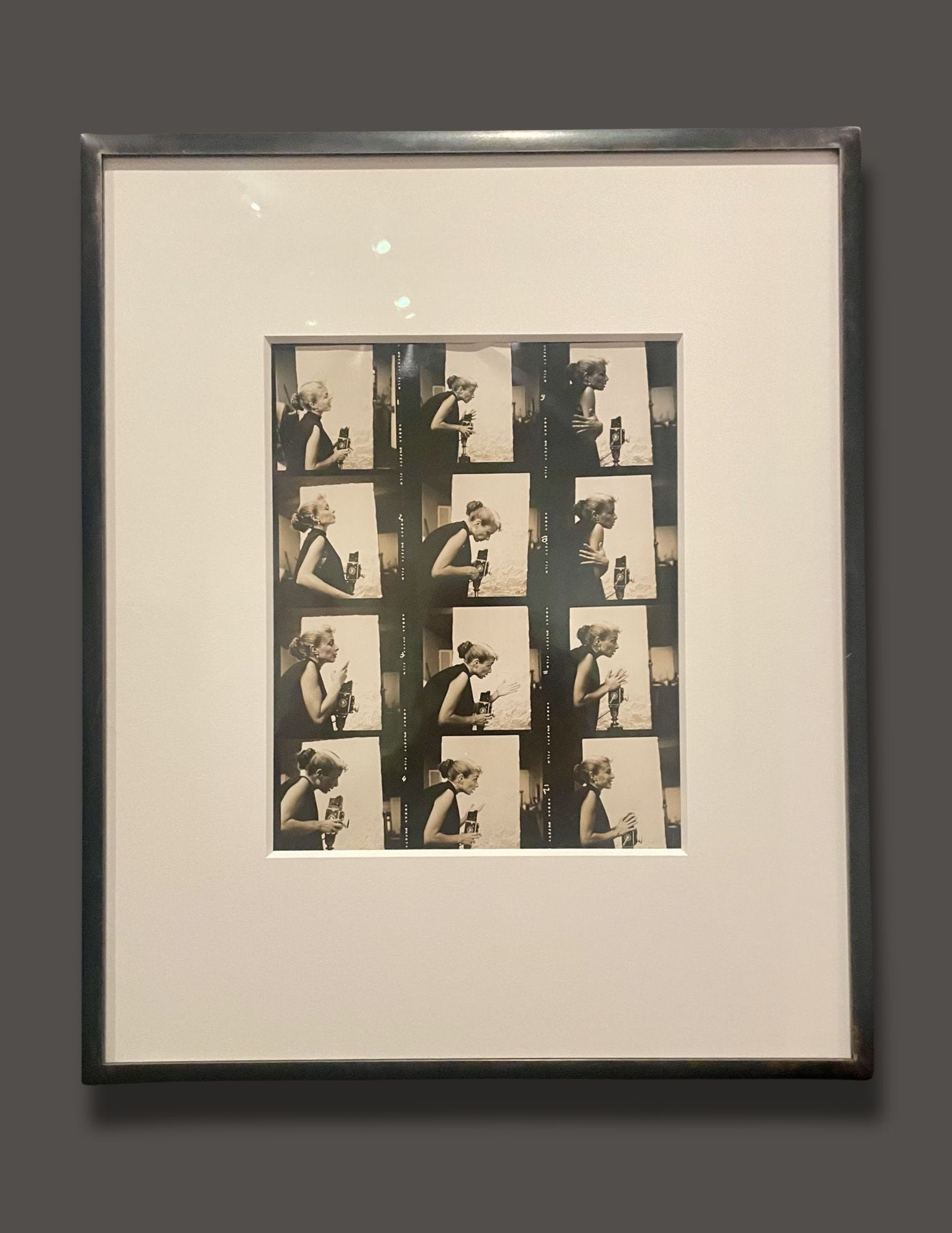
Soon after, Ms. Bassman started a family at 35. She had a son, Eric, and two years later, Lizzie was born. In her interview for the PBS documentary Richard Avedon: Darkness and Light, she reflected on how this changed everything:
“I was pregnant. Very soon after I gave birth, our life changed completely. We were no longer partying and drinking and dancing in the same way—at least during the first few years. That was the real cutoff emotionally. When Dick decided he wanted the celebrities, we decided they meant nothing to us. So that’s how it went. We became virtual recluses. We had a few friends, but not many—not like Dick was having. And we didn’t miss it. So that’s how a friendship ends. In a way, though, we have tremendous respect for each other. My children certainly respect him.”
In order to juggle family life and her career, Ms. Bassman sought childcare help. "From the day they were born we had—I think Eric was seven days old when Louise came. And she stayed until he was over 16. So she was always part of the household," she told Mr. Watson.
The Intimate Life of a Woman
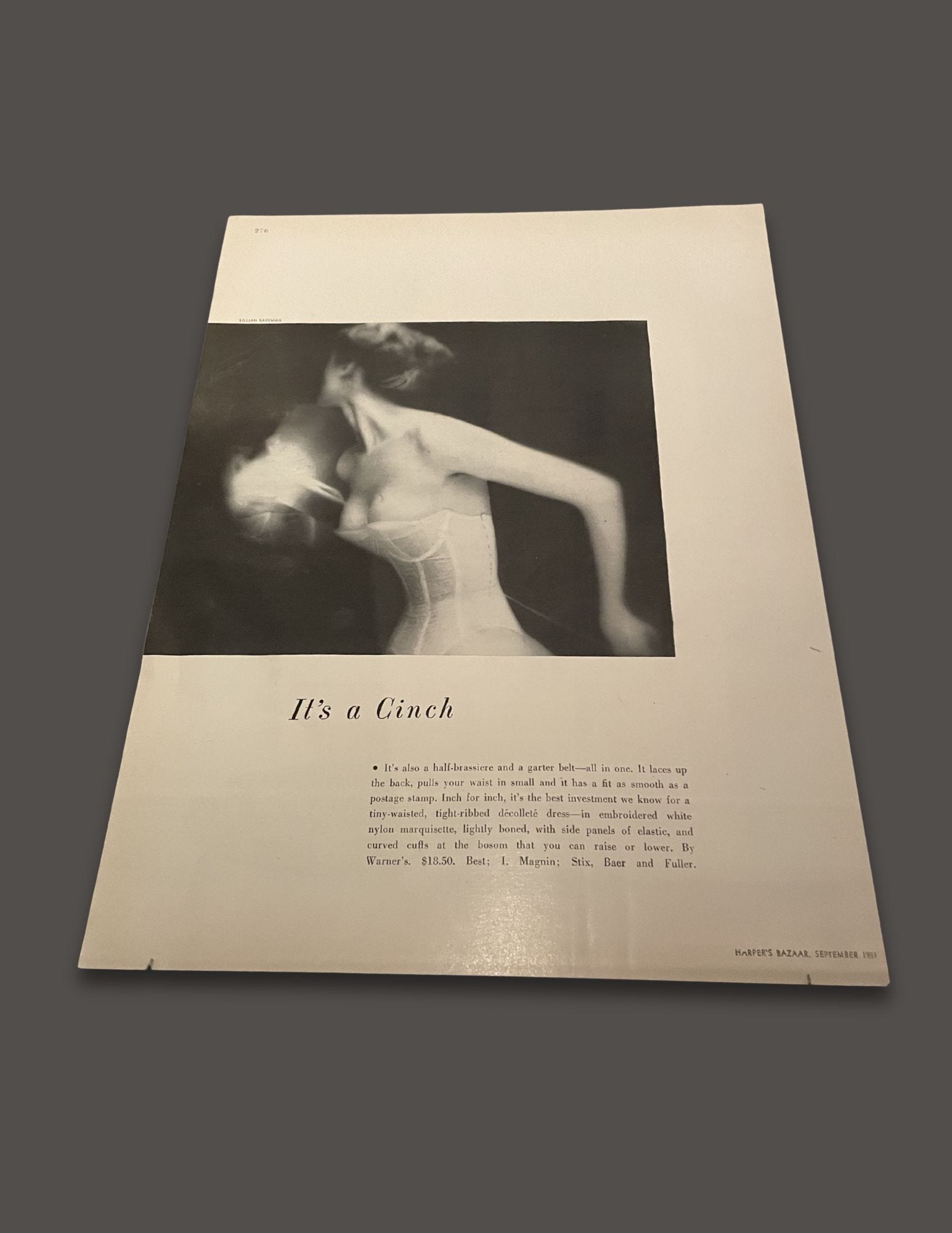
For the It's a Cinch assignment at Harper's Bazaar, a contact sheet showed Carmen Dell'Orefice clad in a half corselette and panty girdle, her graceful, dance-like movement captured with intimacy and ease in her own body.
"I always photograph the girls as their movement was coming down. To me, it was a kind of sensual, female kind of action. I was very interested in women—not that they were working women, because we were all working women—but [who] had a much gentler kind of attitude about themselves and the people around them…my kind of sex was always kind of internalized," she said.
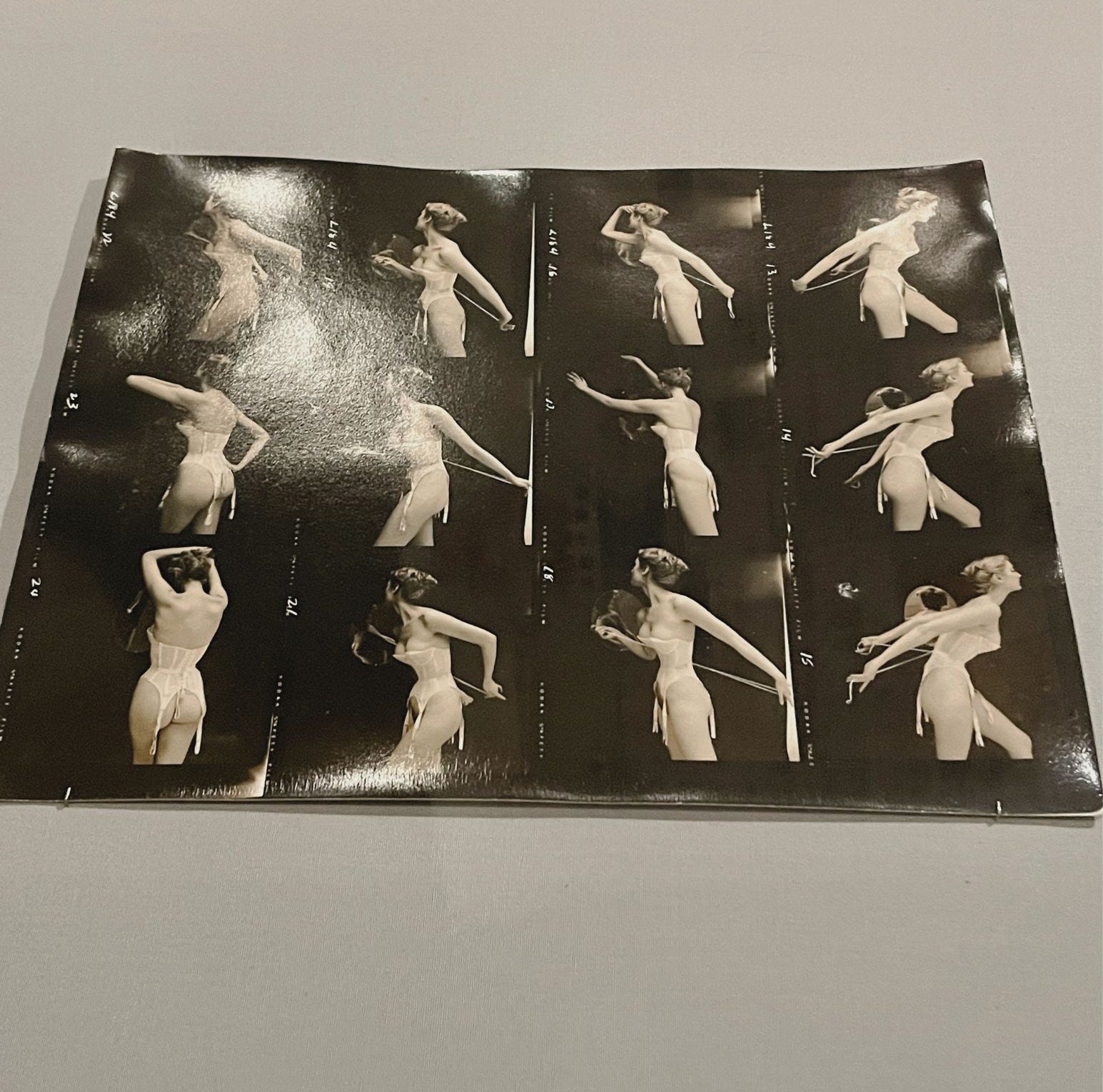
Drawing on her roots in dance, Ms. Bassman described the way she directed her models. "If you ever saw me on a set—not now that I'm 94, but when I photographed for real, you know, on my feet—the moment I got interested in what I was doing, my shoes went off. I would get on the paper, dance barefoot, dance for the models, move in the way I wanted them to move, really dance barefoot in front of the camera, take on the body movements that I felt would get them to move—actually to dance in front of the camera."
Pushing the Limits
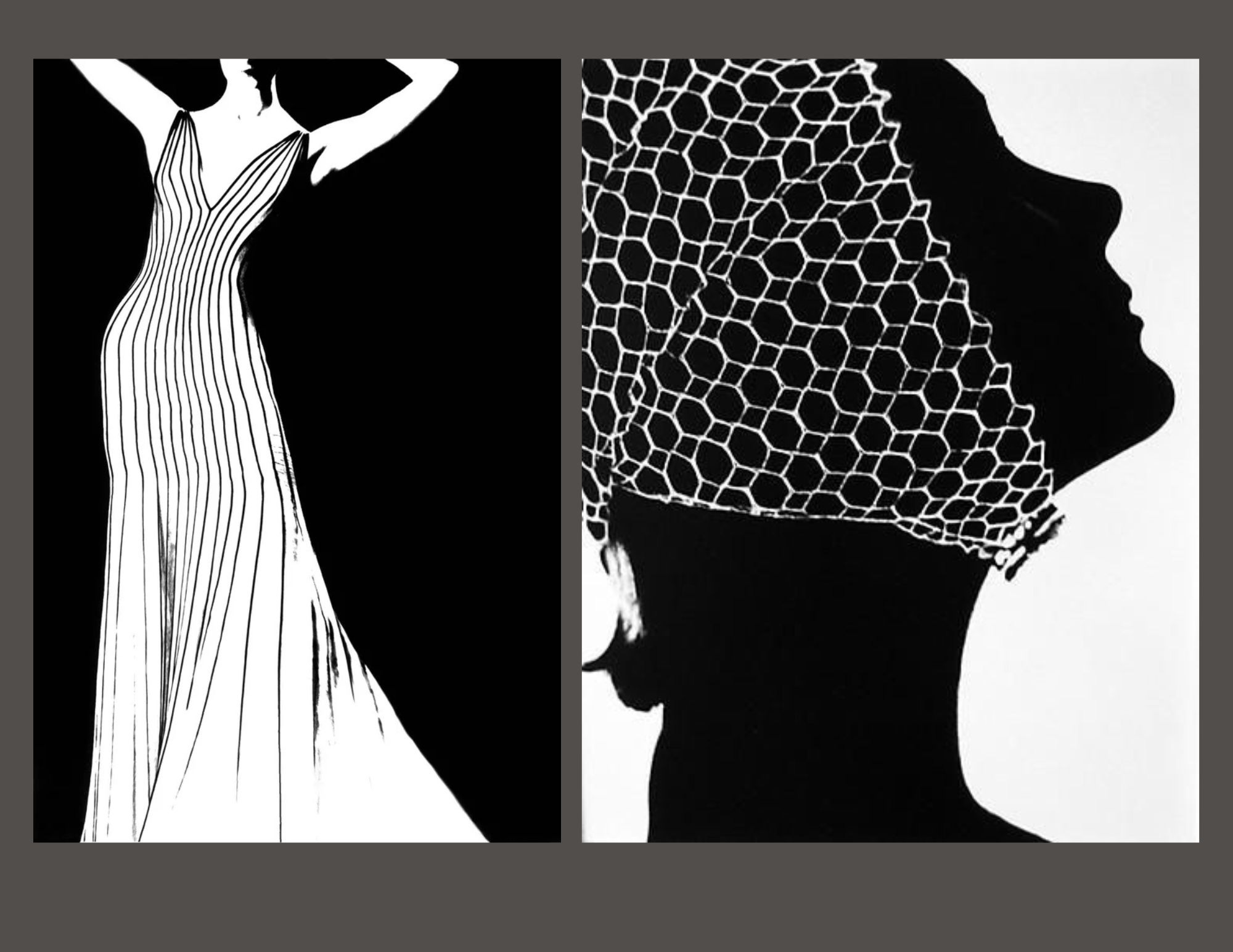
Ms. Bassman's creative expression was often tempered by the demands of commercial work. But she tried and pushed herself further when she could. In 1950, she showed Mr. Brodovitch two photographs she had manipulated in the darkroom. She had selectively burned in the outlines of the model's silhouette, making the images look like illustrations. "This is dangerous," he wrote to her—in a way, a reverse compliment, for he had always encouraged such boldness from his photographers and designers. A colleague went further, calling the images "sheer madness."
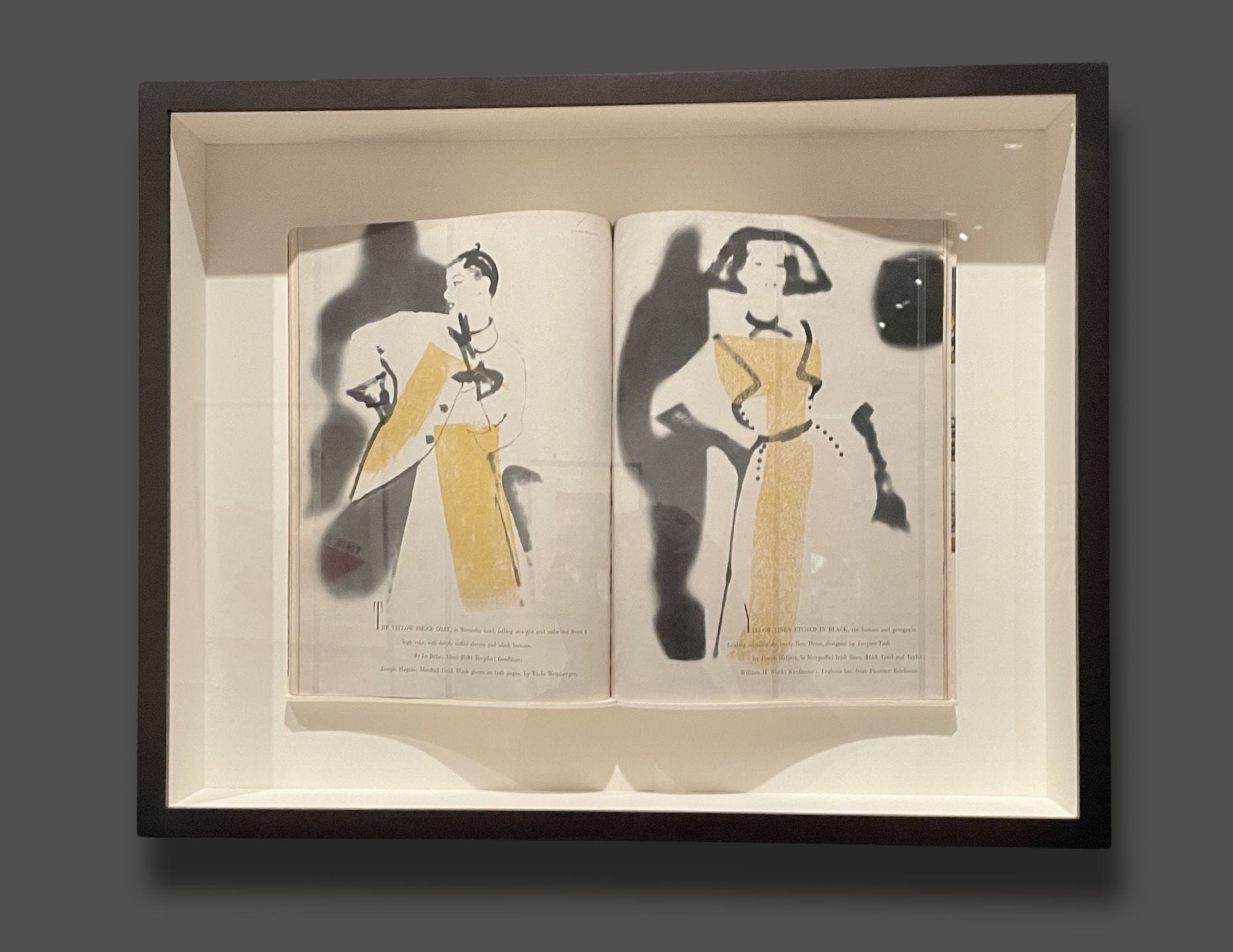
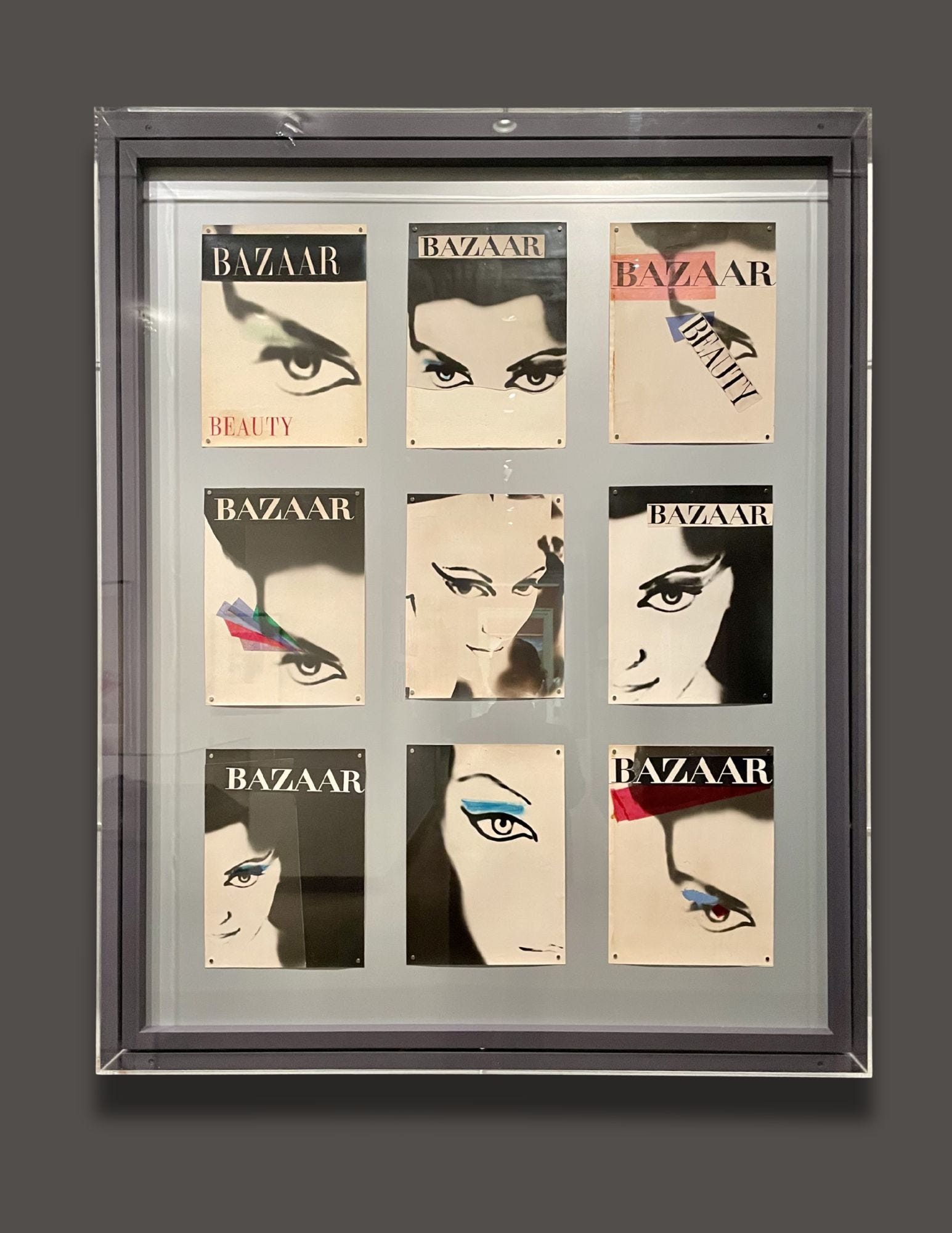
Virginia McBride, assistant curator at the Met, noted, “Often Bassman’s work appeared in the back of the magazine, or she was skipped when assigning the most glamorous couture pieces to photograph.”
In his essay for her first monograph, Martin Harrison quoted Ms. Bassman: “For Carmel Snow, Paris was everything—she had little interest in dresses by California designers aimed at older women. But we had to photograph them because the firms paid for advertising. I would try to make something of the bad clothes, got a reputation for that, and afterwards, almost never got the good ones.”
Changing Times
When the reins at Harper's Bazaar changed in 1958 with the exit of Mrs. Snow and Mr. Brodovitch, Ms. Bassman grew increasingly disconnected from where fashion was headed in the 1960s. She often clashed with the new art director, Henry Wolf, and admitted that an editorial assignment he gave her turned out to be a disaster. She was so embarrassed she told Mr. Watson that those photographs should never see the light of day. More staff changes followed and left the magazine in disarray.
“I realized that my days as a Harper’s Bazaar photographer were over. There was a new generation, a new view, a new kind of photography. And by then, I was old hat, you know.” she said.
She transitioned from the magazine to commercial photography, taking on A&S Department Store as a client—a lucrative arrangement that allowed her to pursue other creative endeavors. By 1970, she had left the fashion and commercial world entirely, focusing solely on her personal work.
Looking back at her career, Ms. Bassman said in a 1997 New York Times article, "I had a terrific commercial life, I did everything that could be photographed: children, food, liquor, cigarettes, lingerie, beauty products."
Purging and the Lost Negatives
To offset the loss of income from photography, and with Paul transitioning into psychotherapy, the couple rented their studio and basement to artist Helen Frankenthaler. While clearing out the space, they disposed of most of their negatives, saving only what they thought was important.
“I had one bag of, I guess, things that I thought I would preserve and put them in a black bag. And we had, at that time—I mean, back in the studio, there was a room that we didn’t realize was a damp room. And we put all my negatives that I was keeping in that room, and a few of Paul’s, and the rest of the stuff we just tossed—threw it out,” she recalled.
During this period, Ms. Bassman also pursued a variety of interests. She had a short-lived clothing line under her name, carried at Bergdorf Goodman and stores across the country.
“We didn’t lose any money. I had quite a following. I had stores all over America. But it was—you know, I had designed the stuff, and I didn’t want to run the business. So that was the end of that, thank goodness,” she said.
She explored silkscreening, using muslin to produce works on both fabric and paper. She continued photography through personal projects: still lifes of fruits, vegetables, and flowers in Cibachrome; a series documenting the stories and dialogues she saw in sidewalk cracks across New York City; and distorted, non-sexualized images of bodybuilders drawn from muscle magazines, which she viewed as fascinating anatomical distortions.
In the late 1980s, Martin Harrison, a fashion curator and historian, was working on a book on fashion history that featured two or three of Ms. Bassman’s photographs. They developed a friendship, and he would stay at the carriage house whenever he traveled from London to New York for work. It was Mr. Harrison who found the black bag under the table in her darkroom. Recognizing their value, he encouraged her to revisit the images.
She reflected on the discovery. “I’d completely forgotten about that…it was sort of all mildewed and messy, but within it there was always one or two negatives that could be resurrected and used. And I started to print them and became interested in the fashion again in the old pictures,” In a New York Times interview, she added, “I was able to make my own choices, other than what Brodovitch or the editors had made.”
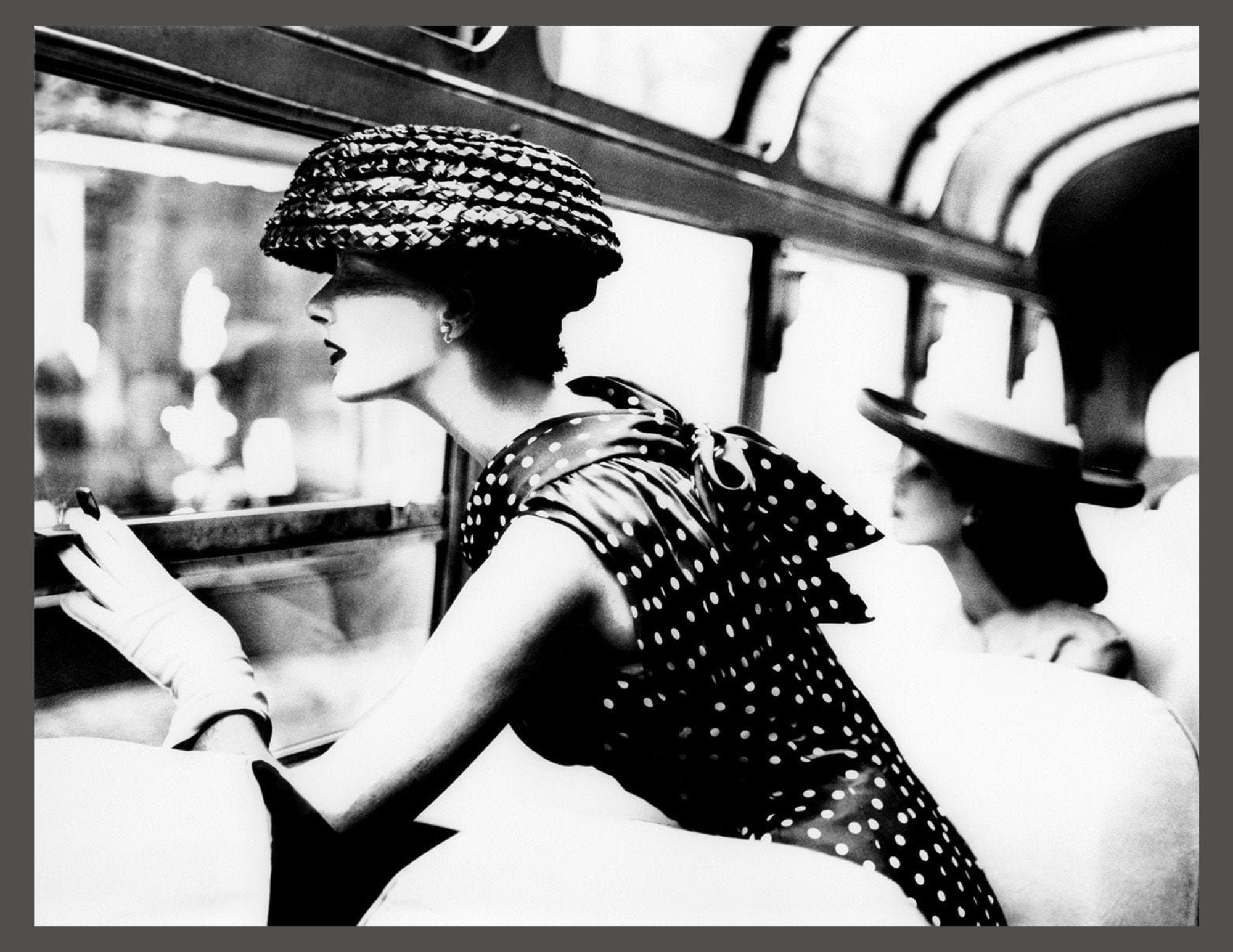
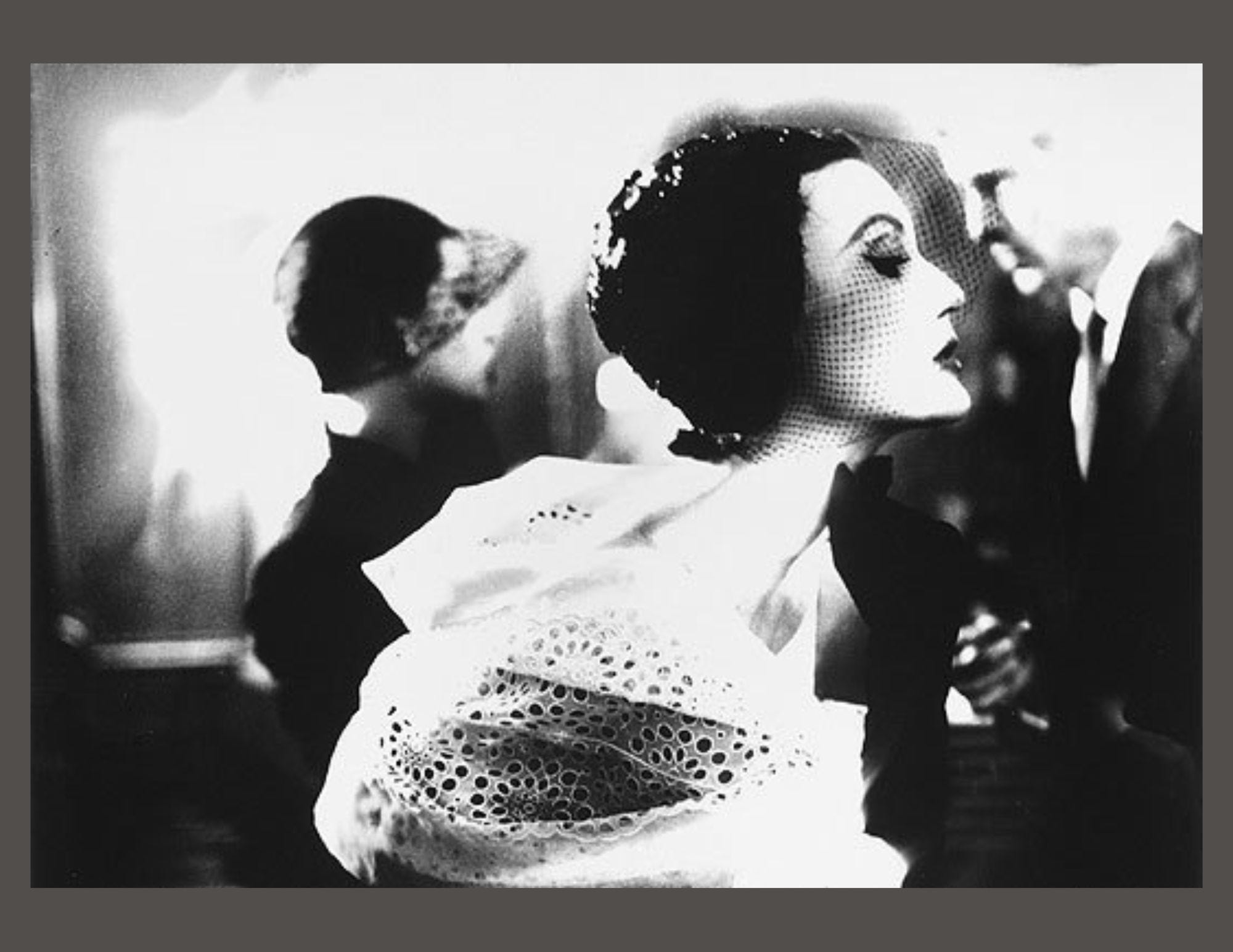
In 1993, Mr. Harrison organized a one-woman show at Hamiltons Gallery in London, relaunching Ms. Bassman’s career and introducing her work to a new audience.
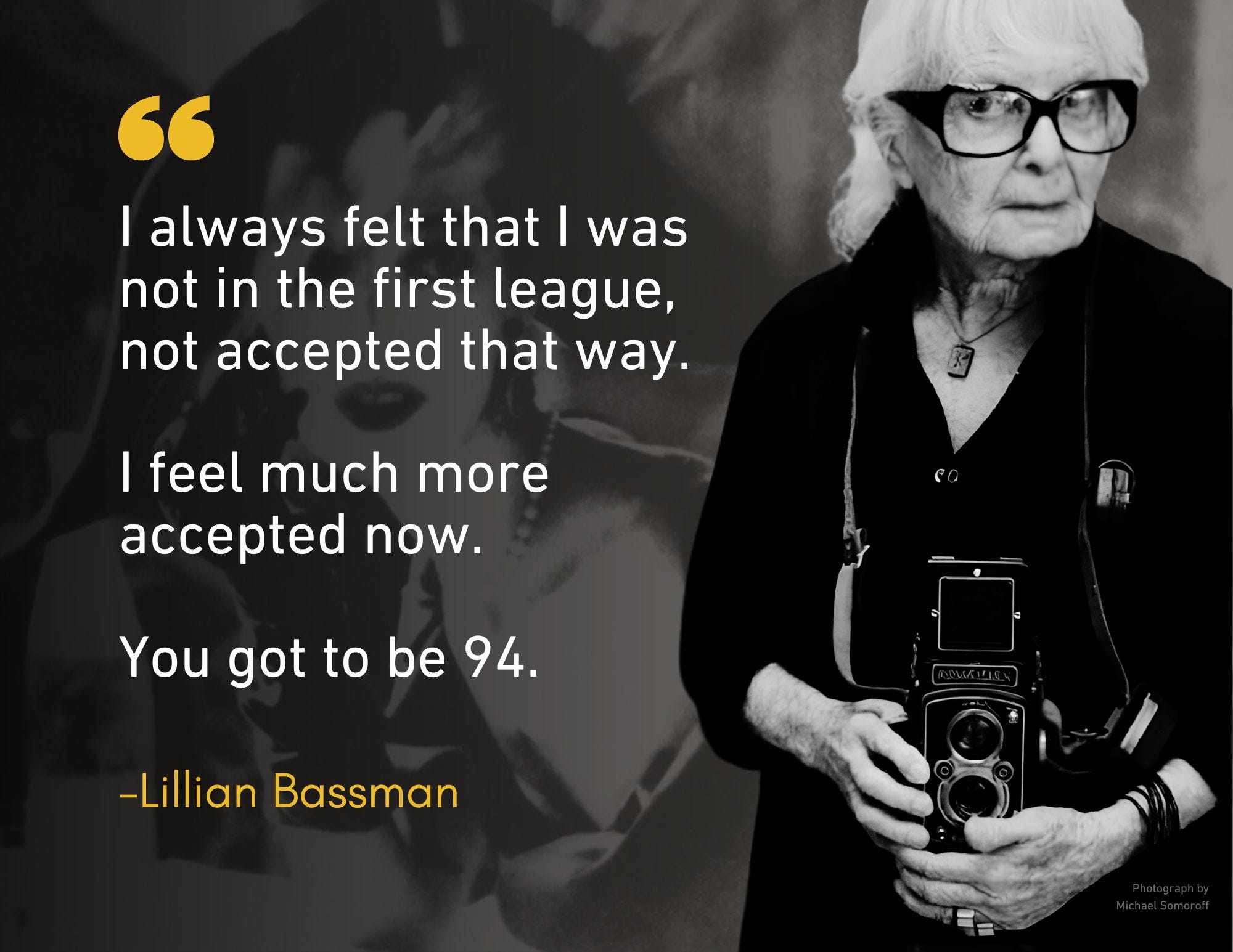
“I never felt accepted as a fashion photographer as I do now as a photographer. I always felt that I was, you know, not in the first league, not accepted that way. I feel much more accepted now. You got to be 94.” she told Mr. Watson.
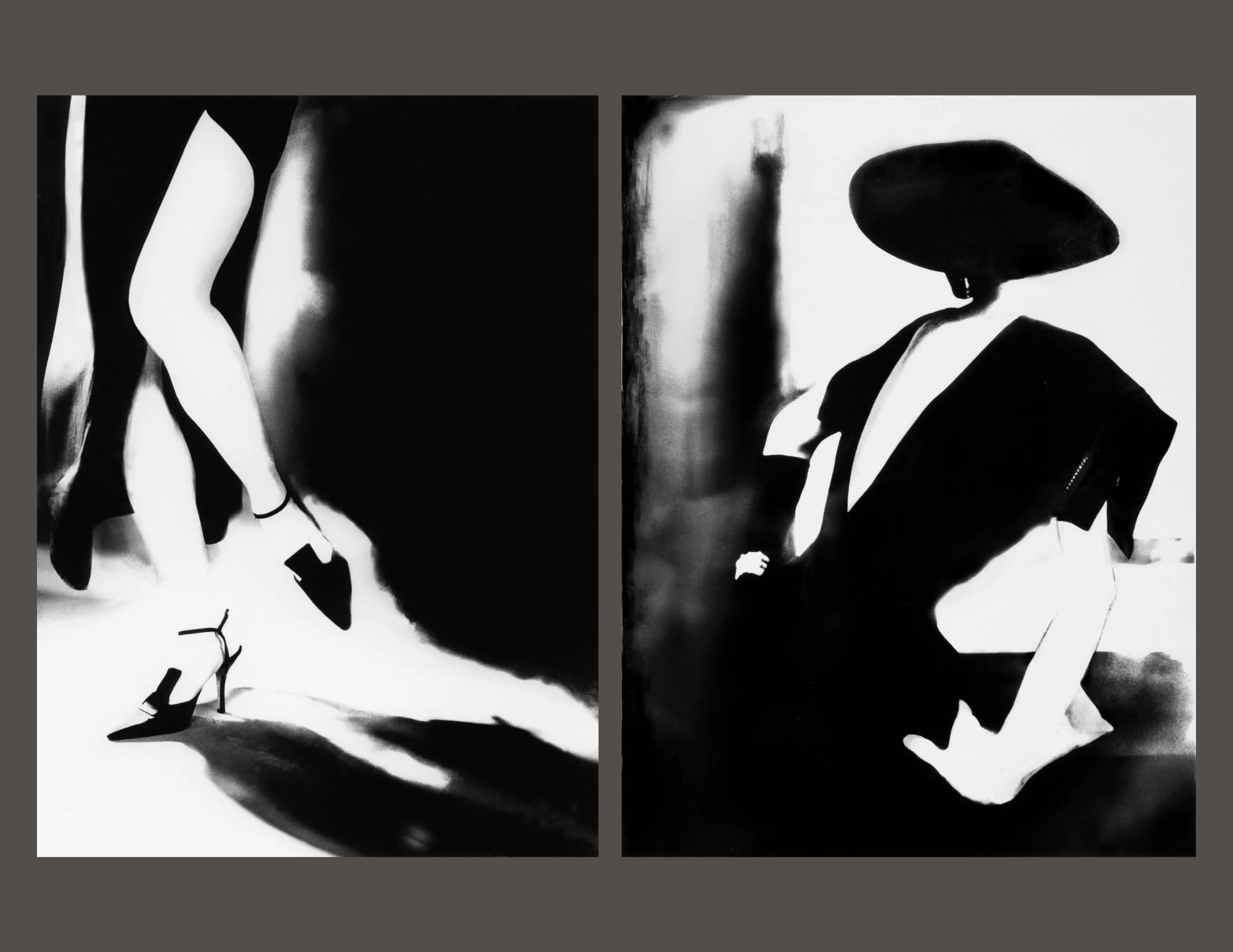
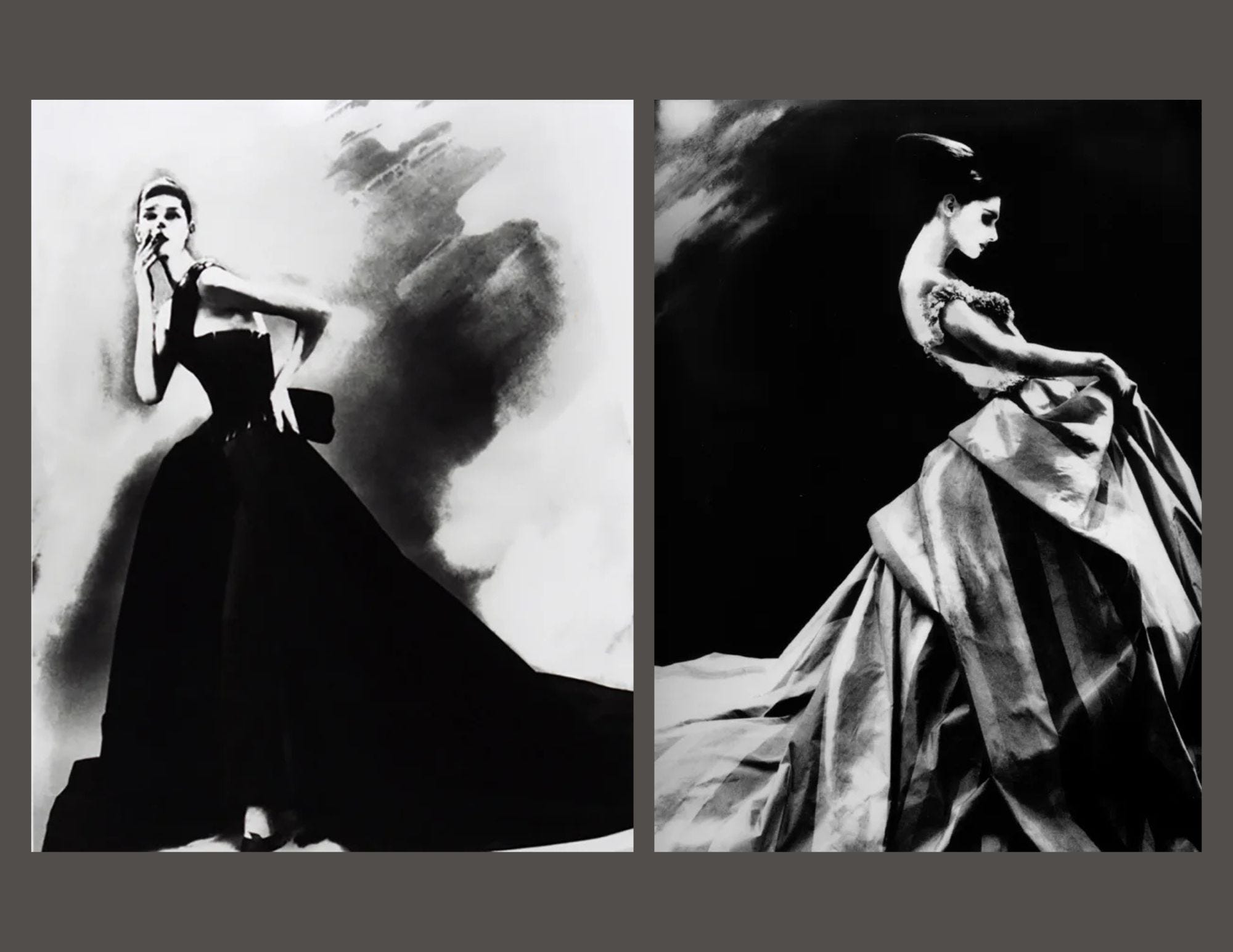
Her curiosity never waned. In her early 80s, Ms. Bassman taught herself Photoshop after daughter Lizze left a computer at her home. “The assistant’s role was to transfer the image to the screen and then to leave me alone. When I got into trouble, he was there, but it was a matter of—it was like drawing, you know, being able to isolate the parts that I wanted, to change the parts that I didn’t want, to intensify…to this day, I can compose pretty much what I want, eliminate what I want, distort what I want. I learned all the tricks of how to elongate a figure, how to mash it. So I’m pretty adept at the computer. I’m very savvy with it.”
1997
I drove down to Los Angeles with a good friend during our week off between sessions at Brooks Institute. Back then, there was no internet. We only knew by word of mouth—faculty and students pointing us toward Bergamot Station in Santa Monica, a cluster of galleries that showed photography: Rose, Peter Fetterman, and Craig Krull. We were encouraged to seek inspiration from other photographers, so my friend and I decided it would make for a good day trip.
We walked into Peter Fetterman Gallery where Lillian Bassman’s Women was on view. Something stirred. My heart fluttered—a current ran through me. Are these even photographs? I said to myself. It was nothing I’d ever seen in my life. That a woman made these images in the 1950s felt like something I hadn’t yet found the words for.
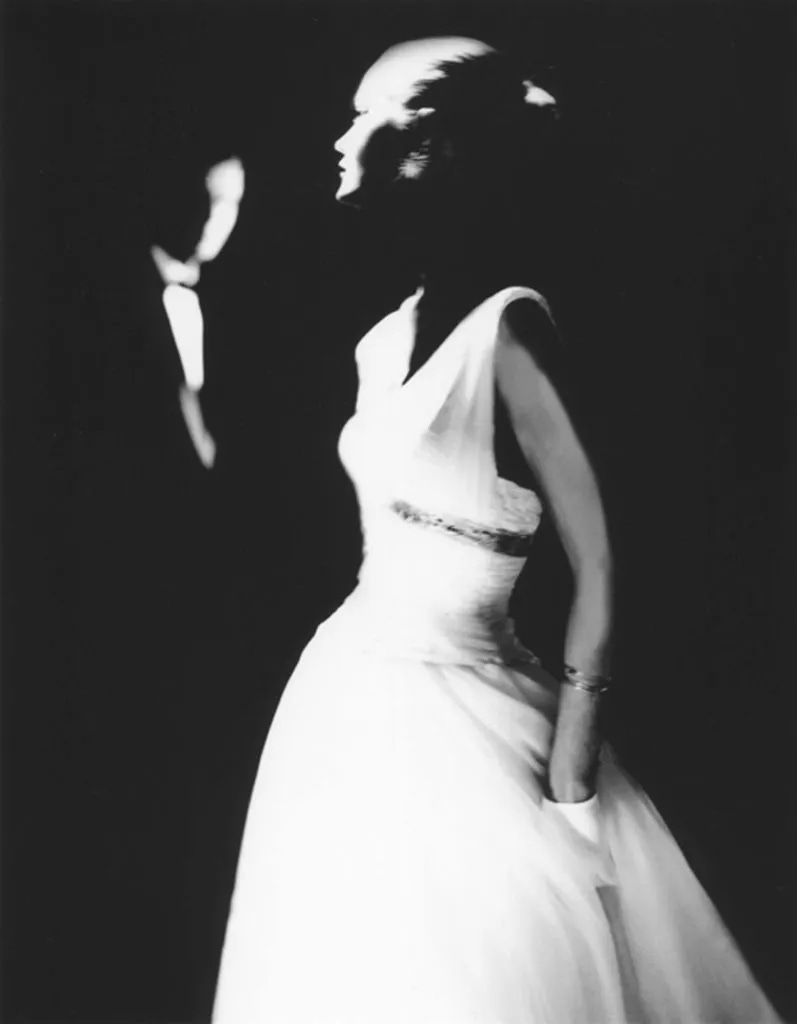
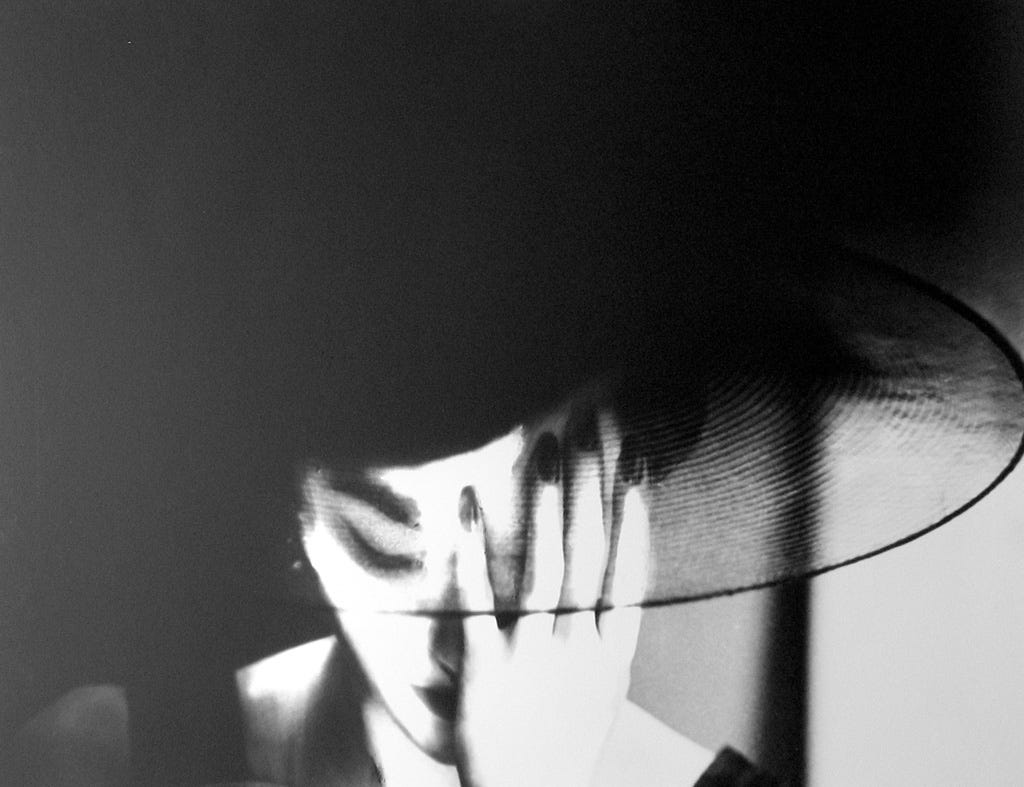
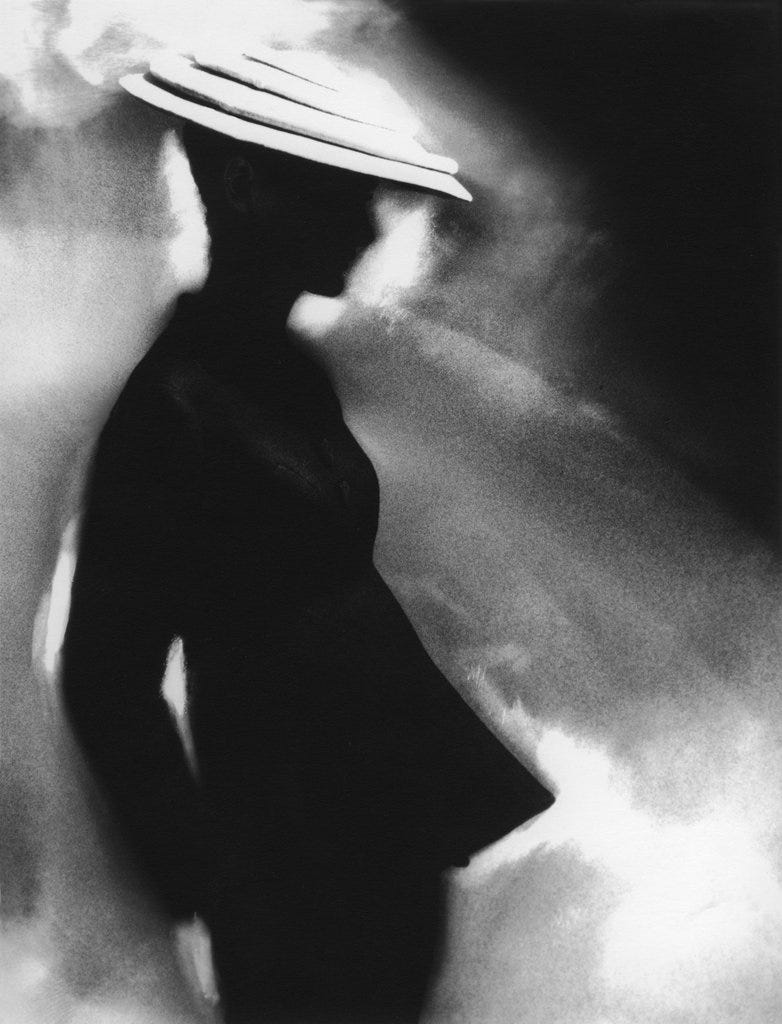
We took our time, moving from one image to the next. I remember the stark contrast between light and shadow, the graininess, the soft focus. I remember the poses—silhouettes inspired by Christian Dior’s New Look, post-war emblem of haute couture's golden age. There's a softness to Ms. Bassman's gaze, but her gestural compositions are graphic—that tension so beautifully palpable in her images.
I was mesmerized.
We lingered long enough that Mr. Fetterman noticed and introduced himself. We told him we were photography students. I don't remember much of our conversation, except that he offered a payment plan for anyone interested in purchasing a print. At the time, they were priced between $1,500 and $2,500. Still, it was out of reach for either of us on a student budget. I also learned that Ms. Bassman had just published her first monograph—I'm not sure whether it was on this trip or a later one that I made it a priority to buy it.
That spring, I enrolled in a less technical, more creative course called People. Interpretations were wide open, and in one of those assignments, I channeled Ms. Bassman. I couldn't stop thinking about her work after that visit to the gallery—I had all this energy that needed to be poured out. So I experimented on my own, both in creating the images and in the darkroom.
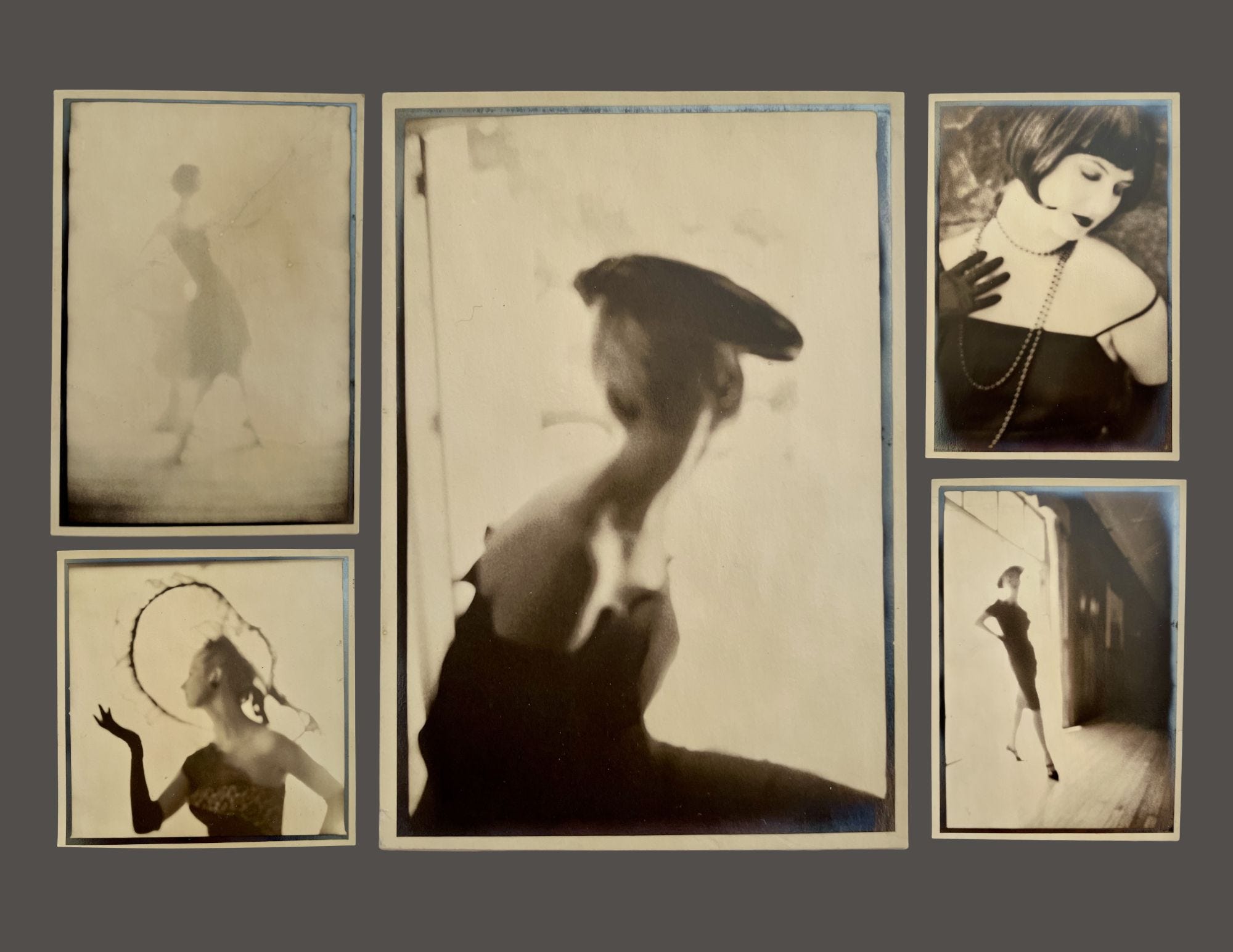
The instructor expressed his distaste for the top-left image in this series. He made it a point to pluck it from the rack for its ambiguity. Admittedly, I did push the limits on that picture, but I didn't expect such a strong reaction.
In the fall, I flew to New York to interview with Mr. Penn for the next internship cycle. I was recommended by my good friend, Allyson, who was the current intern. I brought this series to show him, along with other personal projects in the portrait and fashion genre. He let out a bemused huff after viewing these and lingered on the title, A Tribute to Lillian Bassman. There was a photo shoot the following day, so I received a call to come in and help out. That afternoon, I was offered the internship.
I smiled at the memory as I stood at the center of Ms. Bassman’s show at the Met.
Your Support Keeps this Newsletter Going
Thank you for inviting me to join you every Sunday in your inbox. I am grateful and appreciative for spending a small part of your day with me. If posts like this one are worth something to you, consider becoming a paid subscriber. Every paid subscriber helps keep this space free and open to everyone who needs it.
More Ways to Support Sundays with Stella
By request, I’ve created a support page where you can contribute in any amount—via credit card, PayPal, Venmo or BPI for my Filipino supporters. Your generosity helps keep this space open and accessible to all. Thank you, always, for reading. Maraming Salamat!
Lots to digest here, Stella and I don't know where to start. Thank you so much for introducing us to Lillian's work. Wow, wow, wow... I can see the appeal. How incredibly ahead of her time! I'm astounded by the guts required to shoot in that way, to feature women at a time when attempting to be tasteful had to be difficult. I wonder how much hell the men at Harper's gave her. Maybe it's in an interview. And then, so surprised to see about your internship! Your studies seems very memorable... as an aside, Miyake's perfume was an obsession of mine after I picked up a small bottle in London once. You brought back memories. It was around that same time. Thank you for sharing this important figure in the world of art!
Thank you, Stella for this fantastic, informative essay. Love how you channeled her work into yours.